
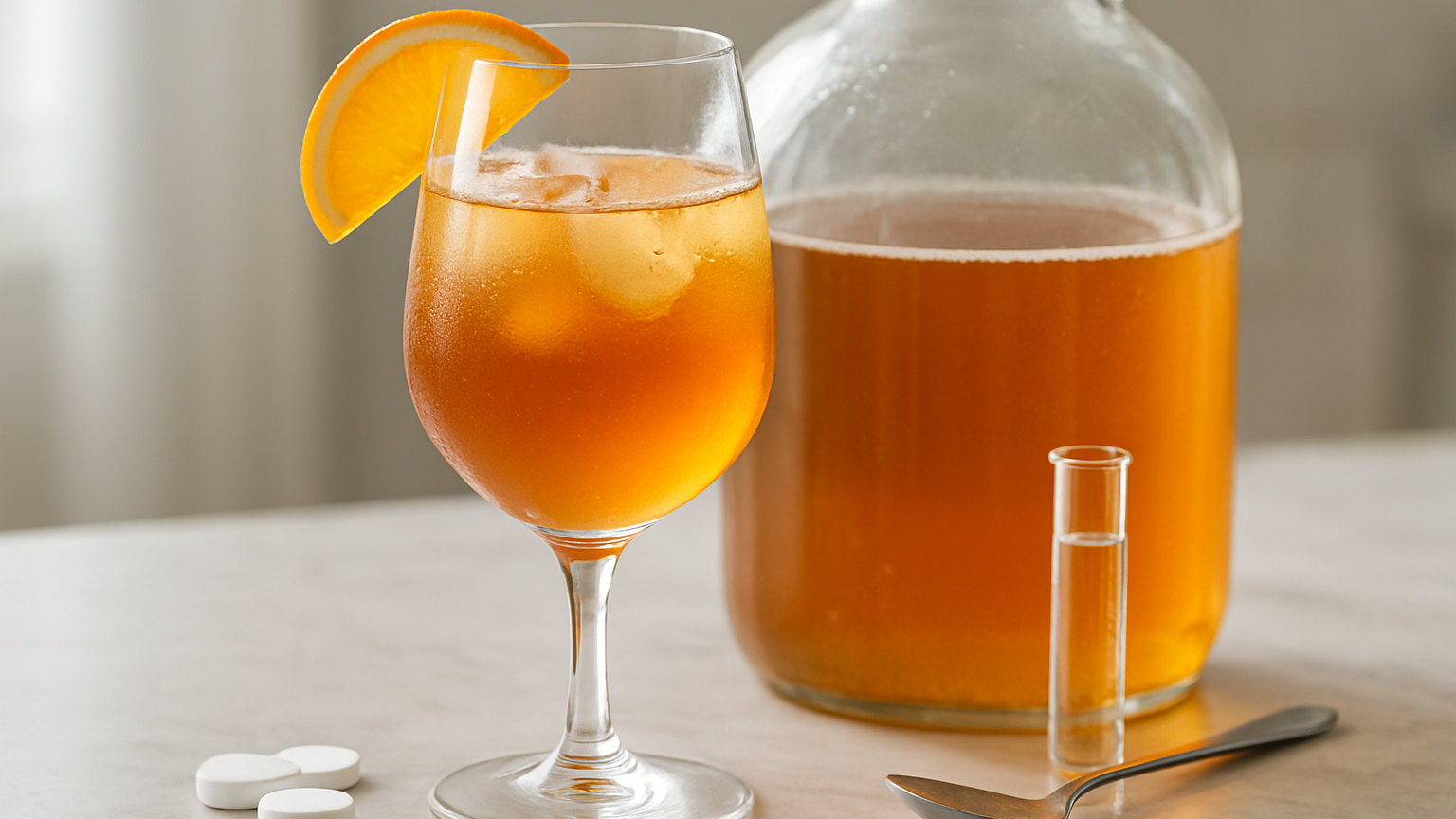
A Campden tablet is a compressed dose of sodium or potassium metabisulphite, which releases sulphur dioxide when dissolved. That single compound does three separate jobs in wine making at three different points, and confusion about which stage you are at is behind most of the problems people attribute to them.
What are the three jobs?
- Before fermentation. Kills wild yeast and bacteria on the fruit, so your chosen yeast has a clear field.
- During ageing. Protects against oxidation and spoilage organisms between rackings.
- At bottling. Provides ongoing protection in the bottle, usually alongside potassium sorbate.
The same tablet, quite different purposes. The first is optional if you are working with clean bought juice. The second and third are what keeps a wine from turning brown or vinegary over a year.
What is the dosage?
One crushed tablet per gallon at each of those stages is the standard, which gives roughly 50 parts per million of sulphur dioxide.
Crush it to a powder and dissolve in a little warm water before stirring in. A whole tablet dropped into a demijohn sinks and dissolves unevenly, giving a strong dose at the bottom and none at the top.
Can you use too many?
Yes, and the results are noticeable. Excess sulphite gives a sharp, matchstick smell and can leave the wine tasting hard. Over about three tablets per gallon in total across the whole process, most people start detecting it.
More seriously, adding a tablet within 24 hours of pitching yeast will kill the yeast. Sulphur dioxide does not distinguish between wild yeast and the strain you paid for.
When exactly should you add the first one?
After the must is fully cool and made up to volume, then leave it covered for 24 hours before adding pectic enzyme, and a further 12 before pitching yeast.
The sulphur dioxide dissipates over that period, which is precisely why the wait exists. Pitching too early is a common cause of a fermentation that never starts, and it looks identical to a dead sachet of yeast.
How does it differ from potassium sorbate?
They do different things and are usually used together at bottling:
- Campden tablet: kills or suppresses microorganisms and protects against oxidation.
- Potassium sorbate: does not kill yeast. It prevents surviving yeast from reproducing.
Sorbate alone will not stop a wine with a large active yeast population. It is a stabiliser for a wine that has genuinely finished, used to prevent a restart, particularly if you intend to sweeten. Using it without a Campden tablet can produce a geranium-like off smell if any bacteria are present.
When must you use both?
Whenever you sweeten a finished wine. Adding sugar to a wine containing viable yeast restarts fermentation, and in a sealed bottle that builds pressure until something gives.
The sequence is: confirm fermentation has finished with three stable hydrometer readings, add one crushed Campden tablet and the sorbate dose for the volume, wait several days, then sweeten to taste and bottle. Skipping the wait is the most common cause of exploding bottles in home wine making.
Can you make wine without them?
You can, and plenty of people do. The trade-offs are real: a higher risk of spoilage, wines that brown faster, and a shorter usable life. A sulphite-free wine wants drinking within a year and storing cold.
Anyone with a genuine sulphite sensitivity should be aware that most commercial wine contains sulphites too, often at higher levels. If that is the reason for avoiding them, keeping the batch small and drinking it quickly is the practical approach.
How should you store the tablets?
In a sealed container somewhere dry. They absorb moisture from the air and lose potency, so a tub left open in a damp kitchen will be noticeably weaker within a year.
Crushed tablets should be used immediately rather than prepared in advance, since the sulphur dioxide begins escaping as soon as they dissolve. A tablet crushed into a jug of water an hour before use has already lost a good part of its effect.


