
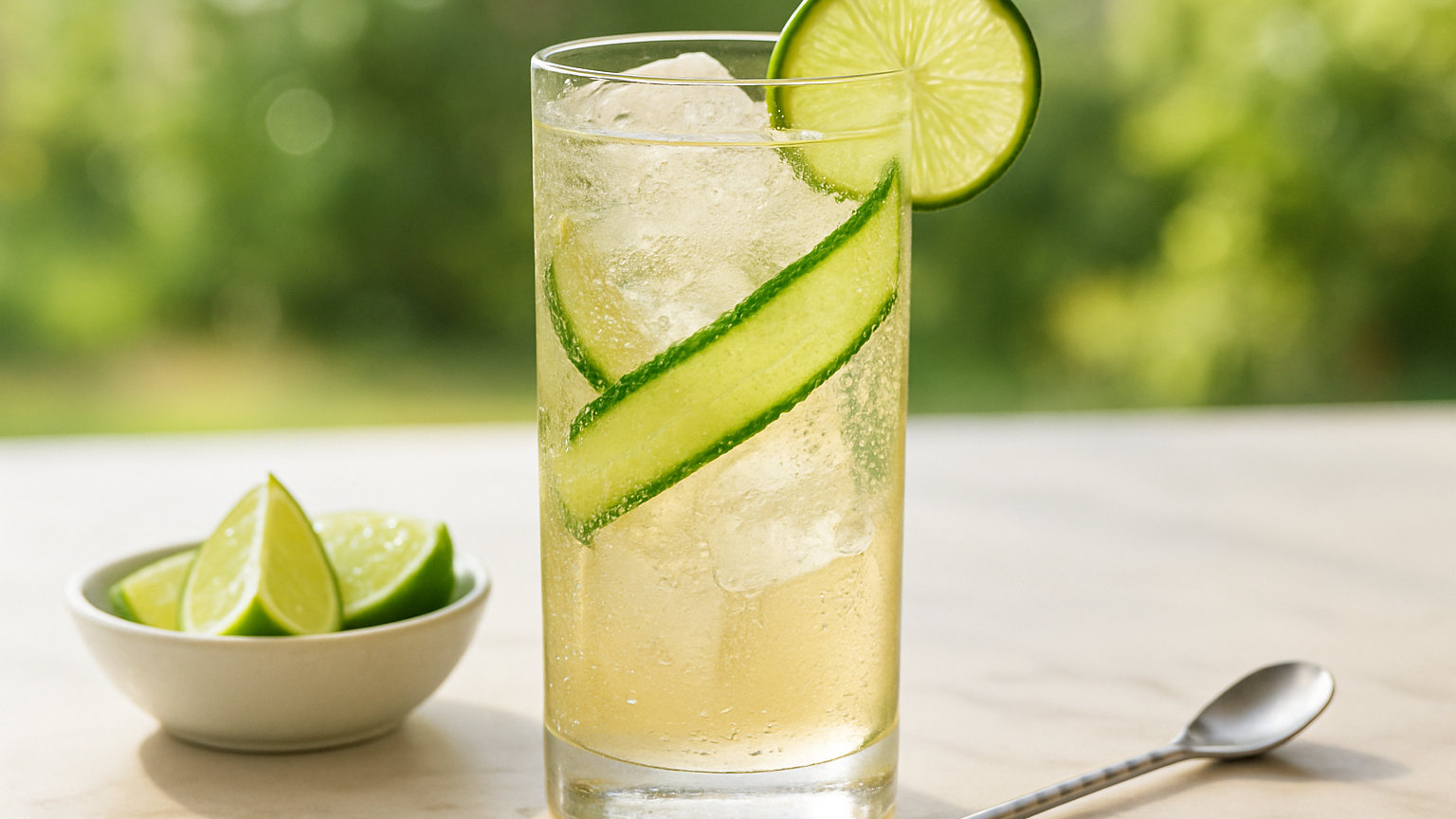
A drink that works indoors in November is often unpleasant on a hot afternoon, and the reasons are practical rather than a matter of taste. Alcohol is a diuretic and heat is already dehydrating. Sugar sits heavily in warm weather. Ice melts faster, so a drink built for a cool room dilutes to nothing within ten minutes.
What makes a drink refreshing?
Four things, in rough order of importance:
- Acidity. Citrus or a genuinely acidic mixer makes your mouth water, which is most of the sensation of refreshment.
- Bitterness. Cuts through and stops sweetness lingering.
- Carbonation. Carries aroma and gives a perception of sharpness.
- Salt. In small quantities, suppresses bitterness and replaces what you lose sweating.
Sweetness is notably absent from that list. A sweet drink in hot weather is cloying by the second glass, which is why lemonade-based drinks disappoint in exactly the conditions they seem designed for.
Which drinks suit the conditions?
- Paloma: tequila, grapefruit, lime, salt. Bitter, acidic and salted.
- Gin and tonic: quinine bitterness and full carbonation.
- Tom Collins: gin, lemon, syrup, soda. Long and sharp.
- Campari and soda: around 7 per cent and relentlessly bitter.
- Spritz: low strength, bitter and fizzy.
- Mojito: mint and lime, though the sugar wants keeping restrained.
What about frozen drinks?
They work, with an adjustment. Cold suppresses your perception of both sweetness and acidity, so a frozen drink made to a standard recipe tastes bland. Increase both the sweetener and the citrus by around a quarter, and serve immediately, since blended drinks separate within about ten minutes.
How much ice should you use?
Fill the glass completely, which is roughly twice what most people use. A full glass of ice keeps the drink cold and, counterintuitively, dilutes it less than a half-filled one, because a larger mass of ice warms more slowly.
Use ice straight from a cold freezer rather than ice that has been standing in a bucket. Ice that is wet on the surface has already started melting and will water the drink down immediately.
Why does strength matter more in heat?
Because alcohol is dehydrating and heat is already dehydrating, and the two compound. A drink at 25 per cent in the glass is a very different proposition at 30 degrees than at 15.
Long drinks sit between 5 and 10 per cent alcohol by volume in the glass, against 20 to 30 for a shaken cocktail served up. Over a long afternoon that is a substantial difference. Alternating with water, and having something to eat alongside, matters more than usual.
How do you keep a drink cold outdoors?
- Chill the glass in the freezer beforehand if you can.
- Chill the mixers thoroughly. Cold liquid also holds carbonation far better.
- Use larger ice cubes, which melt more slowly than small ones.
- Keep the bottles in a cool box rather than on a table in the sun.
- Build smaller drinks more often rather than one large one that warms.
What should you make for a group?
Something built rather than shaken, so nobody is standing over a shaker in the heat. A jug of paloma mix or a spirit and juice base, kept in a cool box, with soda added glass by glass at the moment of serving.
Never add carbonation to the jug. It will be flat within minutes, and topping each glass individually takes no longer than pouring from a jug would.
Which mixers are worth having in?
- Tonic water: bitterness and full carbonation. The most useful single mixer.
- Grapefruit soda: bitter, acidic and already balanced.
- Ginger beer: dry heat that cuts through sweetness.
- Soda water: lets you build the acidity yourself with fresh citrus.
Buy them in cans or small bottles. A large bottle loses most of its carbonation within two days of opening, and in a long drink the mixer is three quarters of the glass.
What about drinks with no alcohol at all?
The same principles apply and the results are frequently better, since alcohol was never the refreshing part. Grapefruit juice with soda and salt, or strong cold tea with lemon and a little sugar, both hit the acidity and bitterness that make a drink work in heat.


