
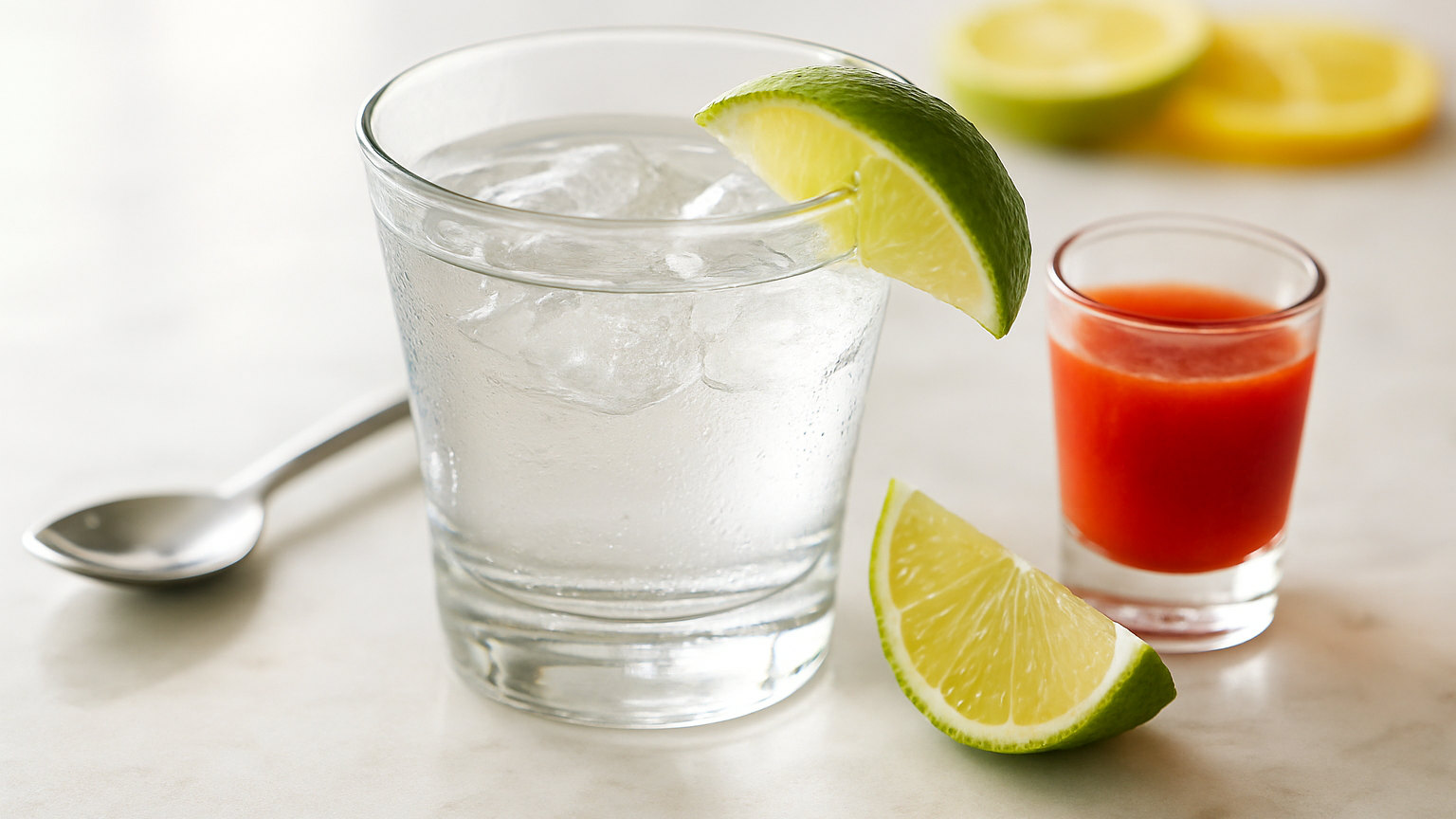
Tequila is the spirit most often consumed in a way designed to avoid tasting it. The salt and lime ritual has a specific origin, and understanding it explains why nobody who drinks good tequila bothers with it.
Why salt and lime?
Because it masks harshness. Salt suppresses bitterness, lime overwhelms the palate with acidity, and the sequence is fast enough that the spirit barely registers.
It became standard when most tequila reaching export markets was mixto, made with the legal minimum of 51 per cent agave and the rest from cane sugar. That is a rough spirit and the ritual made it drinkable.
With a good 100 per cent agave tequila there is nothing to mask, and covering it with salt and citrus wastes what you paid for.
How should you drink it instead?
Slowly, at room temperature, in small sips. Tequila is not a shot spirit any more than whisky is, and the comparison is a fair one.
- Pour 30 to 40ml.
- Use a glass that narrows slightly, or a small wine glass.
- Nose gently without inhaling hard.
- Take a small sip and let it coat the mouth.
- The first sip always burns. The second tells you more.
What about the caballito?
The tall narrow shot glass associated with tequila. It is designed for throwing back rather than tasting, and it delivers very little aroma.
A copita, a small wine glass or the wide-bowled riedel style tequila glass all work far better.
What is sangrita?
A separate chaser served alongside tequila, not mixed with it. Traditionally it is a savoury blend of citrus juice, chilli and spices, with tomato juice common in modern versions.
The two are sipped alternately, and the sangrita resets the palate between mouthfuls. It is the traditional Mexican serve and it is a considerably better idea than salt and lime.
A bandera adds a third glass of lime juice, making green, white and red.
Should it be chilled?
No. Cold suppresses volatile aromatics, which is most of what you taste, and it also mutes the pepper and agave character that defines the spirit.
Room temperature is right for anything you have chosen deliberately. Chilling is for something you would rather not taste.
What should you look for while tasting?
- Cooked agave. Sweet and vegetal, like roasted sweet potato.
- Pepper and spice. Common in blanco.
- Citrus and herb. Bright notes near the top.
- Minerality. Sometimes described as earthy or saline.
- Oak, in reposado and añejo.
Does a drop of water help?
Sometimes, particularly above 45 per cent. The same principle applies as with whisky: reducing the strength releases bound aromatic compounds.
Most tequila is bottled at 38 to 40 per cent, where water adds little.
How much is a sensible pour?
Thirty-five millilitres at 40 per cent is 1.4 units, and it lasts a while when sipped. Shots consumed quickly are the reason tequila has the reputation it does, and the arithmetic is the same as for any other spirit.
Does the same apply to mezcal?
Yes, and more so. Mezcal is almost never shot in Mexico, and the smoke and agave character is precisely what the ritual would cover up.
An orange slice with chilli salt is the traditional accompaniment, sipped alongside rather than used to chase.
What food works alongside?
Something plain and savoury rather than sweet. Citrus, chilli salt and simple grilled food all work, and heavy sauces overwhelm the spirit.
Water between measures matters more than food, as with any spirit sipped over an evening.
What is the reputation actually about?
Mixto tequila drunk fast in quantity, which would produce the same result with any rough spirit. Nothing about agave causes it.
Good tequila sipped slowly behaves exactly like good whisky, and the units are identical.
Which bottle should you start with?
A 100 per cent agave blanco, sipped at room temperature. It is the clearest expression of what agave tastes like and usually the least expensive category.


