
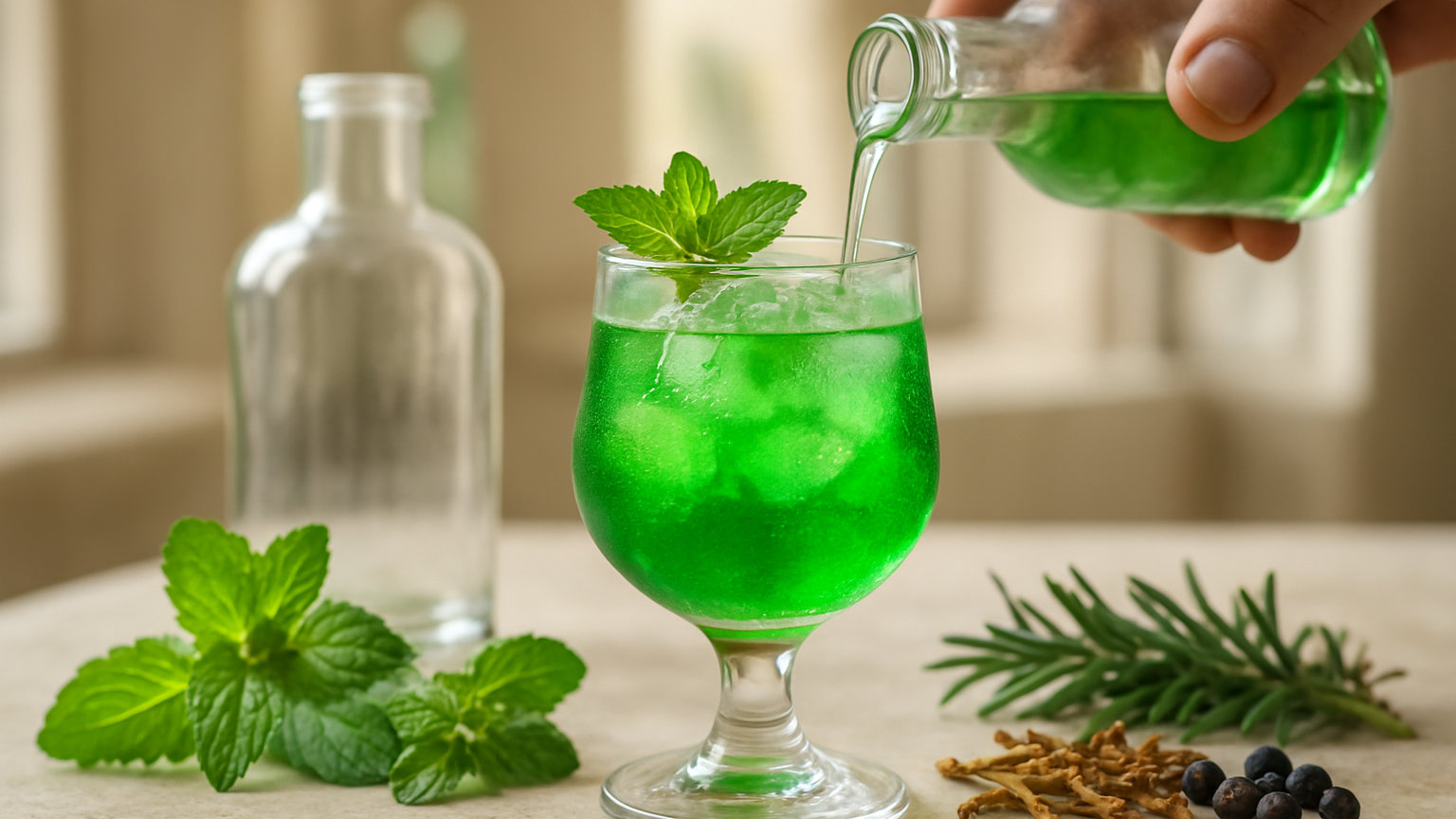
Herbal liqueurs are among the oldest products in the drinks cabinet, and several descend directly from monastic medicine. They are also the most difficult category to substitute within, since each is genuinely singular.
Where do they come from?
Monasteries, for the most part. Religious houses across Europe maintained herb gardens and infirmaries, and preserving plant extracts in alcohol was practical medicine before it was pleasure.
Several surviving liqueurs trace to those origins, and one or two are still produced under monastic control with recipes known to a very small number of people.
What are the main styles?
- Green and yellow herbal. Intensely botanical, high strength, dozens of herbs.
- Bénédictine style. Honeyed, saffron-inflected, rounder and sweeter.
- Génépy and alpine. Mountain herbs, wormwood family, drier and more mentholated.
- Anise led. Overlapping with pastis and absinthe.
- Honey and spice. Krupnik and similar northern European styles.
Strengths run from around 25 per cent to 55, which is a wide range within one category.
Why are the recipes secret?
Commercial protection, largely, and tradition. A recipe with over a hundred botanicals is difficult to reverse engineer, and secrecy is part of the identity as much as the defence.
What do they taste like?
Nothing else, which is the difficulty and the appeal. The strongly herbal styles combine sweetness with pine, mint, saffron, citrus and a long bitter finish that is difficult to describe and instantly recognisable.
They divide opinion sharply, and people who like them tend to like them a great deal.
How are they used in cocktails?
- Last word. Equal parts gin, herbal liqueur, maraschino and lime.
- Bijou. Gin, sweet vermouth and herbal liqueur.
- Champs élysées. Cognac, herbal liqueur, lemon and bitters.
- Bobby burns. Scotch, sweet vermouth and a honeyed herbal liqueur.
- Widow’s kiss. Calvados with two herbal liqueurs.
The equal-parts drinks work because the liqueur is powerful enough to hold its own against gin and citrus in equal measure, which very few modifiers can.
Can you substitute between them?
Poorly. These are not interchangeable in the way two dry vermouths broadly are, and a last word made with a different herbal liqueur is a different drink.
Génépy is the closest general substitute for the strongly herbal styles, being drier and lighter. It changes the drink and it does not ruin it.
Can you make one?
An approximation. Infuse mint, thyme, lemon balm, angelica, hyssop, cardamom, coriander seed and citrus peel separately in strong spirit, blend, sweeten and rest for a month.
Wormwood and other bitter herbs should be used sparingly, since they are potent and easily dominate. The result will be its own thing rather than a copy, which is a reasonable ambition.
How should you serve them?
Neat in small measures after food, over ice with tonic, or in the cocktails above. At 40 to 55 per cent these are strong: a 40ml measure at 55 per cent is 2.2 units.
How long do they keep?
Years. High strength, high sugar and concentrated botanicals make them among the most stable bottles you can own.
Are they worth the price?
For the well-known ones, arguably yes, since nothing substitutes and a bottle lasts a long time used in cocktails. They are used in measures of 20 to 30ml rather than 50.
As sipping bottles they are expensive per serve, which is why most people encounter them first in a cocktail.
How should you store them?
Upright and out of light, like any spirit. Green herbal liqueurs fade in sunlight, which is cosmetic rather than a fault, and they keep for years regardless.
How much should you use in a drink?
Less than you think, unless the recipe is an equal-parts classic. Ten to fifteen millilitres is enough to change a stirred drink substantially, since these are among the most assertive modifiers available.
Which is the easiest way in?
A last word, made properly with equal parts. It shows exactly what the liqueur contributes because nothing else in the glass is hiding it.


