
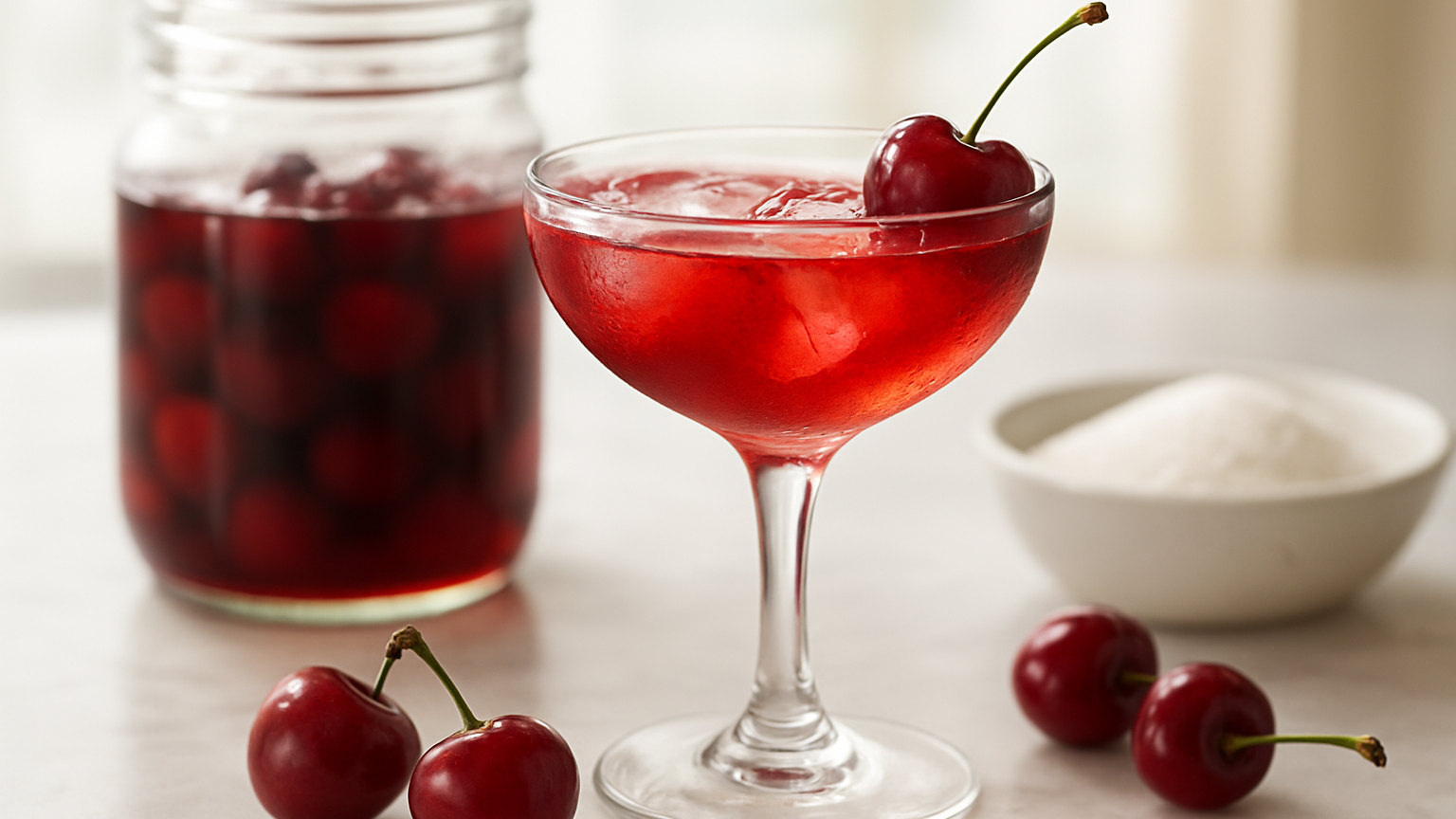
Fruit liqueurs follow a single method with small adjustments. Once you have made one, the rest are variations rather than new recipes, and the whole category is among the cheapest things to make at home.
What is the basic ratio?
Roughly 500g fruit, 200 to 300g sugar and 750ml of spirit at 40 per cent, in a sealed sterilised jar.
Adjust the sugar to the fruit. Sharp fruit such as damson or blackcurrant takes more; sweet fruit such as raspberry takes less. It is easier to add syrup at the end than to remove sweetness.
Which spirit should you use?
- Vodka. Neutral, lets the fruit lead. The default.
- Gin. Botanicals work with sloe, damson and rhubarb.
- Brandy. Suits cherry, plum and apricot.
- White rum. Good with pineapple and tropical fruit.
Use something mid range. Cheap harsh spirit shows through, and expensive spirit is wasted under fruit and sugar.
Which fruit works well?
- Damson. Arguably better than sloe. Rich and almondy.
- Blackberry. Deep and jammy, needs less sugar.
- Raspberry. Fast, bright, ready in weeks.
- Blackcurrant. Intense and sharp. The basis of cassis.
- Rhubarb. Technically a stem, works beautifully with gin.
- Quince. Slow, fragrant, needs months.
- Cherry. Excellent with brandy.
What about the stones?
Leave them whole and do not crush them. Damsons, cherries, plums and apricots are all prunus species, and the kernels inside the stones contain compounds that release cyanide when broken and metabolised.
Intact stones steeping in spirit are not a problem and contribute the almond note these liqueurs are known for. The rule is simply not to break them open.
When should the sugar go in?
Two approaches, both valid. Adding it at the start with the fruit is traditional and simplest, and the sugar draws juice out through osmosis.
Adding syrup at the end gives more control, since you taste before committing. That is the better method if you are unsure of the fruit.
How long does it need?
- Soft berries. Two to four weeks.
- Stone fruit. Two to three months.
- Sloe and damson. Three months minimum, better at six.
- Quince and hard fruit. Three to six months.
Shake every few days at first, then weekly. Strain through muslin when the fruit looks spent and the colour has stopped deepening.
Should the fruit be frozen first?
For anything with tough skin, yes. Freezing ruptures the cell walls and speeds extraction considerably, which saves pricking sloes or damsons individually.
Soft berries do not need it and can turn mushy, making straining harder.
How long does it keep?
A year or more once strained, since sugar and alcohol preserve well. Strain the fruit out rather than leaving it in indefinitely, as it eventually breaks down and clouds the liqueur.
Most improve for the first six months. A batch made in autumn is often better the following winter than in its first weeks.
What do you do with the strained fruit?
It still holds flavour and alcohol. Use it in a crumble or a chocolate cake, or cover it with brandy for a weaker second infusion. It is not pleasant eaten straight.
Can you use frozen or shop fruit?
Both work. Frozen fruit is already ruptured, which speeds extraction, and it is often better value than fresh out of season.
Avoid anything bruised or mouldy. Alcohol will not fix an off flavour and one poor fruit can affect a whole jar.
What if it turns out too sweet?
Dilute with more of the base spirit, which lowers the sweetness and raises the strength together. That is the only practical correction, which is why adding sugar in stages is worth the extra step.
Which jar should you use?
A wide-mouthed sterilised preserving jar large enough that the fruit is fully covered with an inch of spirit above it. Fruit sitting above the liquid can spoil and will affect the whole batch.
Glass rather than plastic, and a seal that closes properly, since evaporation over three months is not trivial.


