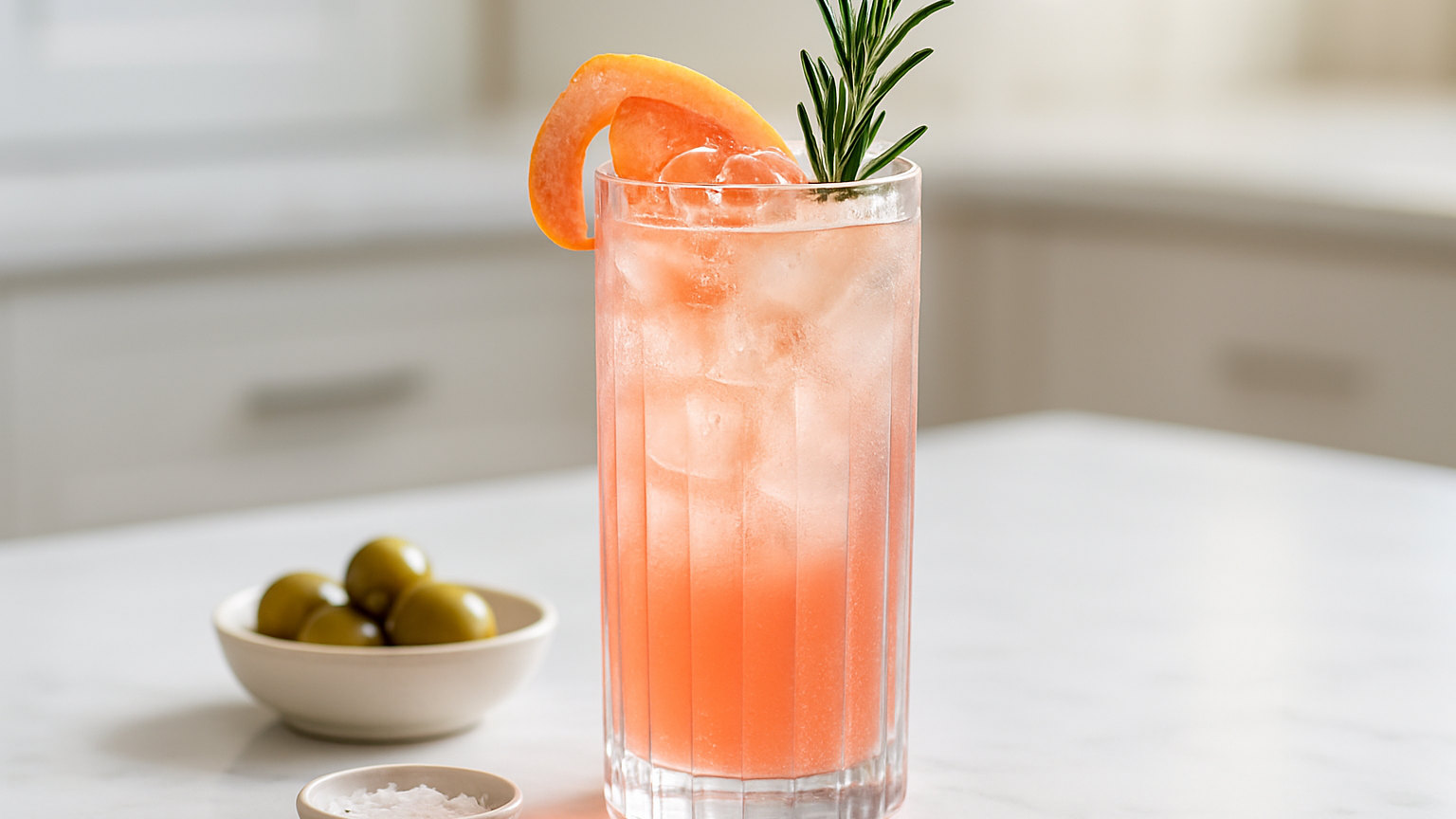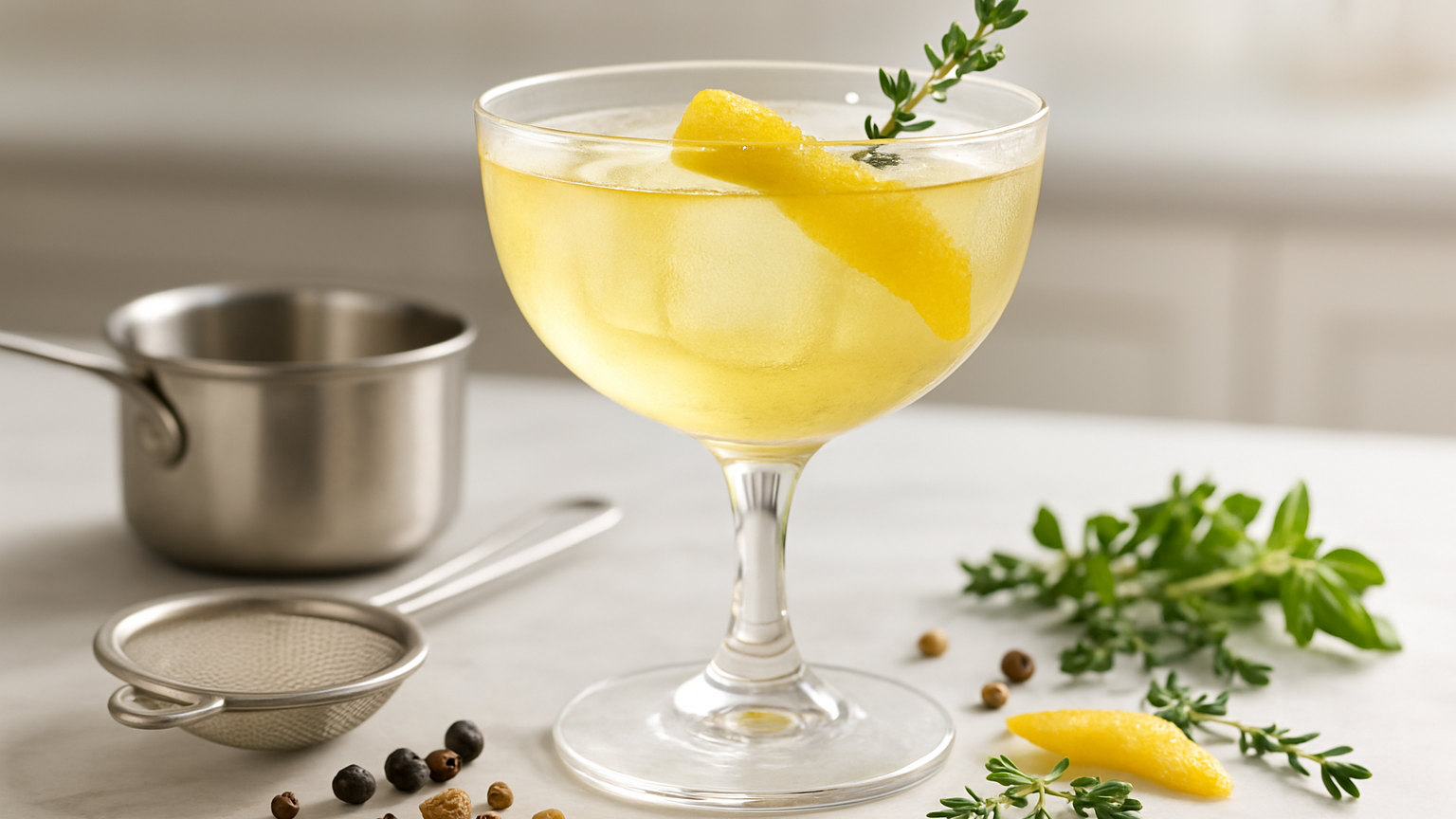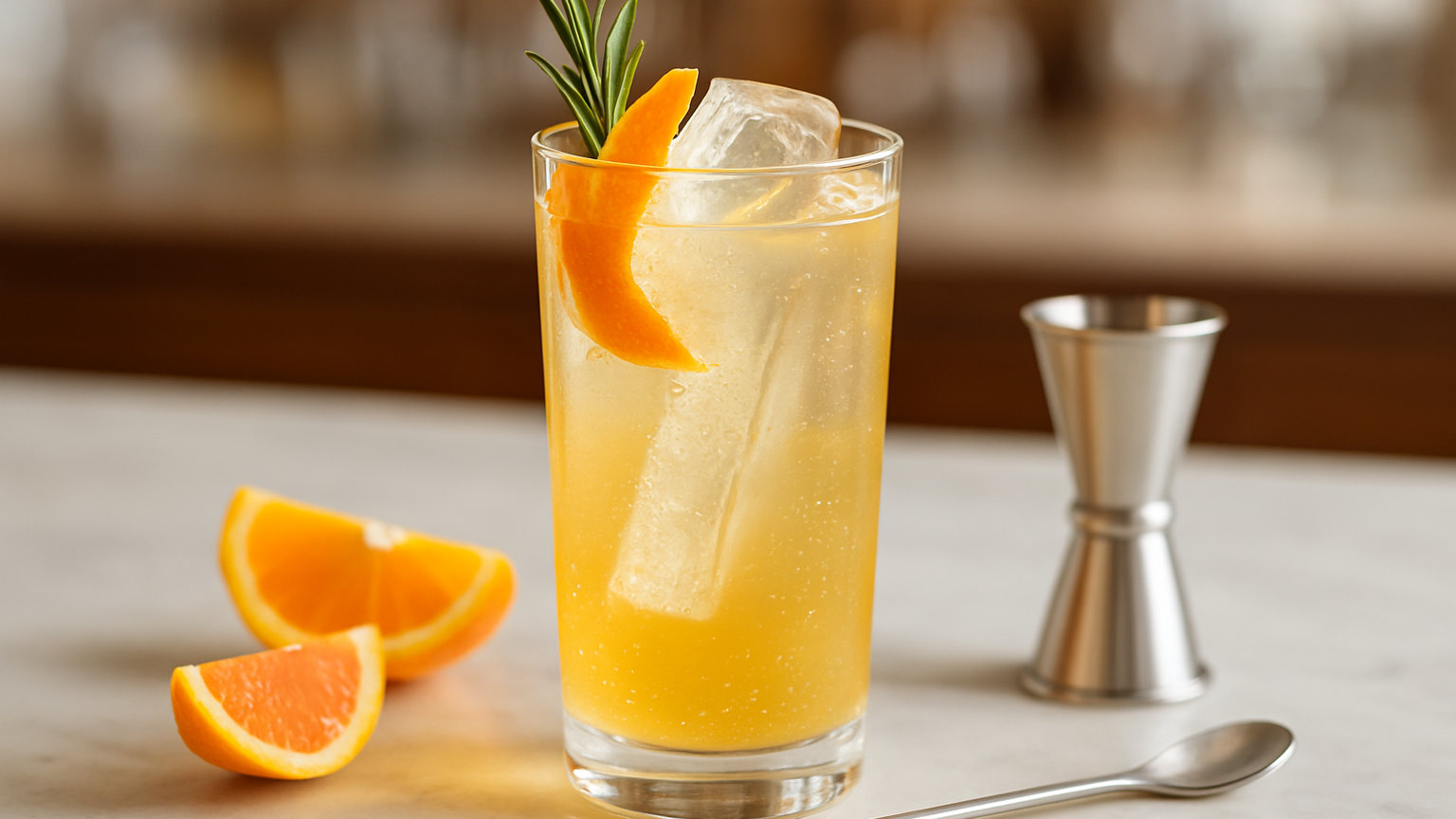
The person not drinking at your gathering may be driving, pregnant, on medication, in recovery, observant, unwell, or simply not in the mood. None of that is anything you need to know. What you do need is something in the house that is better than warm orange juice.
Why does the default option fall short?
Because a glass of fruit juice is sweet, thin and childish, and it marks the person holding it as the exception. Everyone else has something bitter, cold, complex and served in a proper glass.
The social element matters more than the flavour. Holding a drink that looks like everyone else is drinking removes a whole conversation the person may not want to have repeatedly across an evening.
What is worth keeping in?
Four things cover almost every situation and none of them spoils quickly:
- Good tonic water, in small bottles or cans. Bitter, adult, and a decent drink with ice and lime on its own.
- A proper spicy ginger beer. Heat and length, and it looks like a drink.
- Lemons and limes. Fresh citrus transforms anything.
- Plenty of ice. The thing most often short.
That is a small shop and it covers you indefinitely, since none of it goes off.
What makes tonic and lime a real drink?
The quinine. Tonic is genuinely bitter, which is the quality most alcohol-free drinks lack, and it is properly carbonated. Served in a large glass filled with ice, with a wedge of lime squeezed in and a strip of peel, it is a perfectly respectable thing to be drinking.
What if you want to make something?
A shrub or a syrup made in advance turns the same soda water into something considered. Twenty-five millilitres of a raspberry shrub topped with soda takes ten seconds and tastes like someone thought about it.
Alternatively, keep a jug of strong cold tea with lemon, rich syrup and a pinch of salt in the fridge. Poured over ice and topped with soda it makes a drink with real body and bitterness, and it costs almost nothing.
How should you handle the offer?
Put the alcohol-free options out on the same table as everything else, in the same glassware, rather than in the fridge to be asked for. That way nobody has to announce anything or decline anything.
Ask what people would like without singling anyone out, and if someone says they are not drinking, take it at face value and move on. Do not ask why, do not offer a compromise, and do not tell them a small one would not hurt. For someone in recovery, or someone who has decided for medical reasons, that pressure is genuinely unhelpful.
What should you avoid serving?
- Anything with alcohol in it that you have not mentioned. Including traditional bitters, which are around 40 per cent, and de-alcoholised products that may contain up to 0.5 per cent.
- Sweet fizzy drinks by default. Fine if requested, dull as the only option.
- A single warm bottle of something at the back of the cupboard.
The alcohol point matters. If someone is avoiding alcohol completely, being handed a drink containing bitters or a de-alcoholised spirit without being told is a genuine problem, however small the quantity. Say what is in it.
What about the driver?
The same list works, with the added point that alcohol-free beer and de-alcoholised products still contain trace alcohol and vary in strength. Someone driving may reasonably want to know exactly what they are drinking, and 0.0 per cent on the label is the clearest answer.
What about the glassware?
Use the same glasses as everything else. A drink served in a wine glass or a rocks glass looks like a drink; the same liquid in a tumbler that looks like it came from the children’s table does not.
It costs nothing and it is the single easiest thing a host can get right. Garnish it properly too, with a peel or a wedge rather than nothing, for the same reason.