
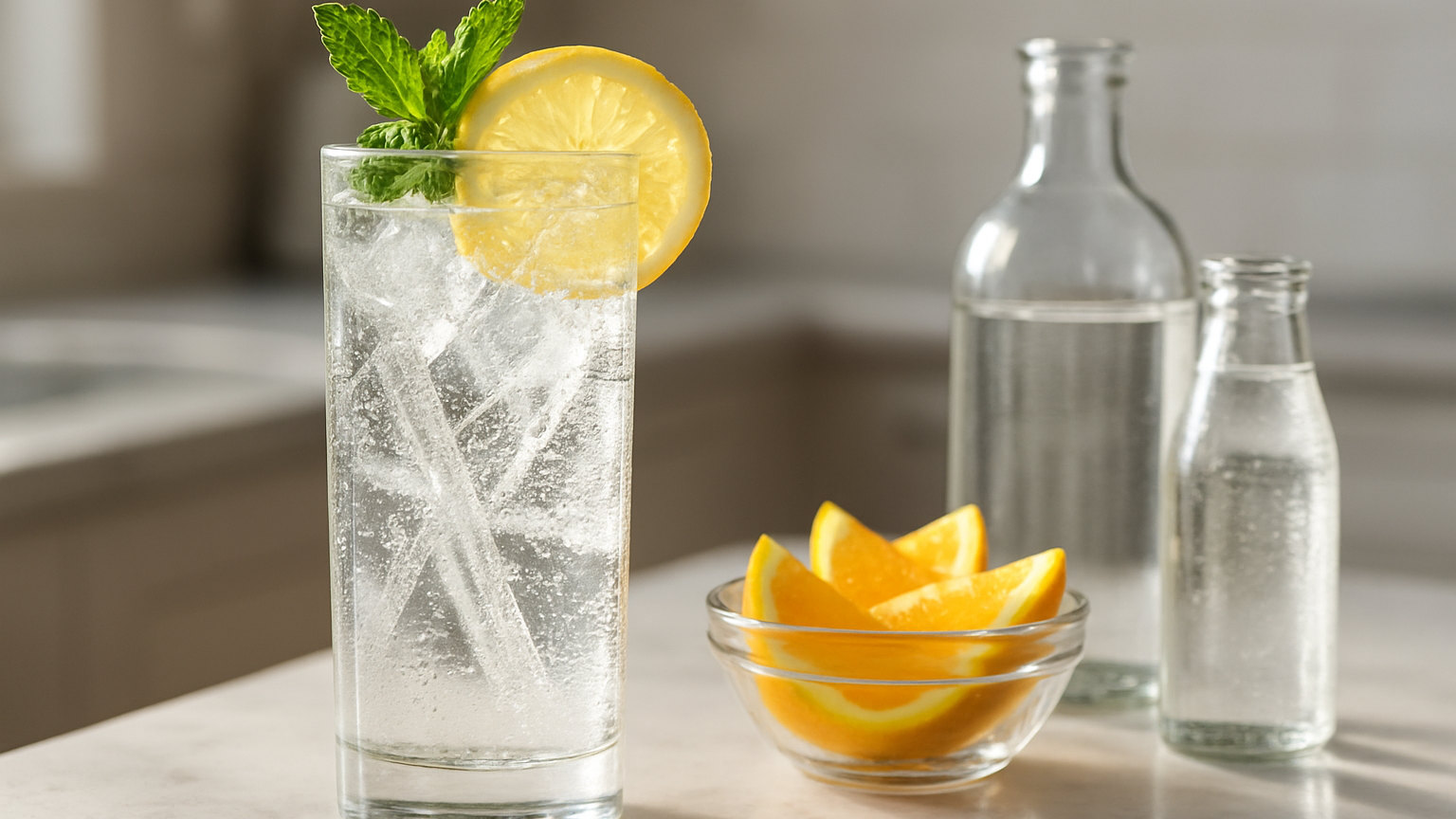
The instinct when setting up a bar is to buy better bottles. That is the wrong end to start from. In most cocktails the spirit is a third of the glass at most, and the things making up the rest are cheap, perishable and routinely neglected.
Where does money make the least difference?
- Vodka. Defined by neutrality, so there is little to taste. Blind tastings rarely separate premium from ordinary once mixed.
- Any spirit used in a heavily flavoured drink. An expensive aged rum in a pina colada is largely wasted.
- Bitters. Every brand is inexpensive relative to how long a bottle lasts.
- Very old spirits for mixing. An XO brandy in a sidecar is flattened by lemon juice.
Where does it make the most?
Curiously, mostly not on spirits at all:
- Fresh citrus. The single largest quality gap in home bartending. Bottled juice is pasteurised, which changes the aroma completely.
- Mixers in small bottles. A litre of tonic loses most of its carbonation within two days of opening.
- Ice. Large, dry cubes from a cold freezer rather than small wet ones.
- Vermouth, bought small and kept cold. Fresh vermouth beats an expensive whiskey with a tired bottle.
All four are cheap. Together they will improve a drink more than doubling the price of the gin would.
What is the single best value upgrade?
Buying tonic and soda in cans or small bottles rather than large ones. It costs slightly more per litre and it fixes the most common fault in home gin and tonics, which is a flat mixer making up three quarters of the glass.
Which spirits do reward spending?
Those where the spirit is most of what you taste:
- Anything drunk neat. Whisky, aged rum, mezcal, brandy.
- Gin in a martini. Two ingredients, nowhere to hide.
- Tequila in a margarita. The gap between mixto and 100 per cent agave is enormous.
- Whiskey in an old fashioned. Almost the entire drink.
Even here, mid-range usually beats premium once you factor in what the other ingredients do. The exception is tequila, where the label matters: mixto contains up to 49 per cent other sugars and produces a rougher drink.
What is a sensible starting budget?
Rather than a figure, a sequence. Buy three mid-range spirits, a small vermouth, a bottle of bitters and a jigger. Add the fresh citrus, sugar and mixers from a normal shop. Use it for a month and see which bottle empties fastest, then let that guide the fourth purchase.
That approach avoids the usual outcome of a shelf full of bottles bought for one recipe each, which is expensive and produces less variety than three bottles used properly.
How do you work out the cost per drink?
A 70cl bottle gives fourteen 50ml measures. Divide the bottle price by fourteen for the spirit cost, then add a few pence for citrus, sugar and mixer.
Even a fairly expensive bottle produces drinks at a fraction of bar prices, which is the real economic argument for a home bar. It also means the difference between a mid-range and a premium bottle is a small amount per drink, so the choice is about whether you can taste it rather than whether you can afford it.
What should you not buy at all yet?
Anything bought for a single cocktail you saw in a photograph. It will sit unopened for years, and if it is wine based it will spoil long before you reach the bottom. The test worth applying is whether a bottle unlocks at least three drinks you would actually make.
Does buying in larger bottles save money?
For spirits, yes, and only if you will finish them within a year or two. A litre bottle of gin is better value per measure than a 70cl one and both dull at the same rate once opened, so the saving is real if the bottle gets used.
For vermouth and mixers it is a false economy. A litre of vermouth will oxidise long before most households finish it, and a large bottle of tonic loses its carbonation within two days. Buy those small even though the unit price is worse.


