
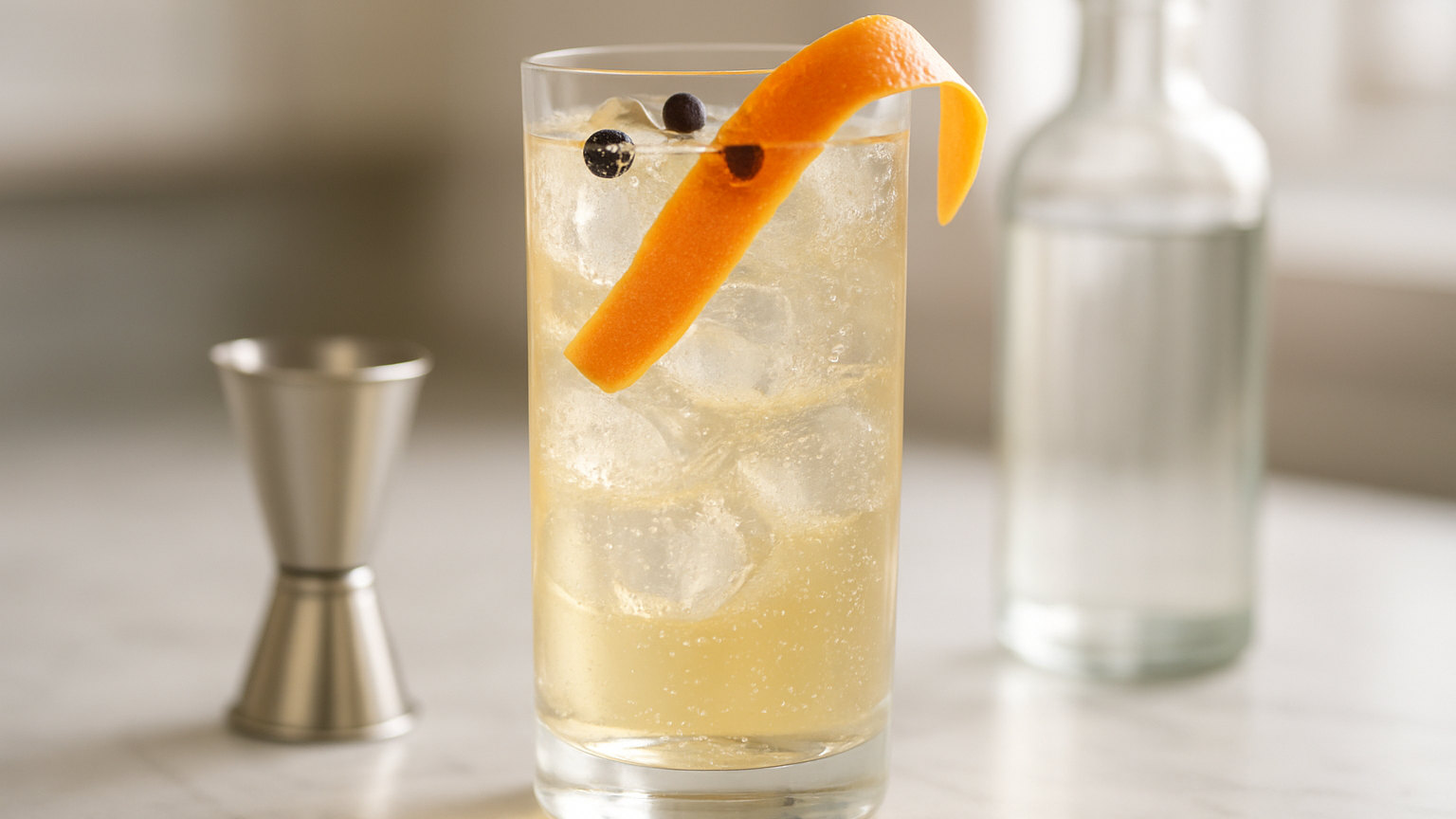
A gin and tonic has two ingredients and there is a good argument that the cheaper one matters more. Tonic makes up two thirds to three quarters of the glass, so its quality, temperature and carbonation shape the drink far more than the choice of gin does. Getting this right costs almost nothing.
What is the best ratio?
Fifty millilitres of gin to 150ml of tonic, a one to three ratio, is the working standard and suits most gins at 40 to 43 per cent. In ounces that is roughly 1.75oz to 5oz.
Stronger gins around 47 per cent take a one to four ratio comfortably. Lower alcohol or heavily flavoured gins are better at one to two, or they vanish. The point of the ratio is to end up with a drink you can taste the gin in without it burning, and that moves with the bottle.
Why does the tonic matter so much?
Tonic is sugar, carbonated water and quinine, and the balance between those three varies enormously between brands. Some are noticeably sweeter, some carry far more quinine bitterness, and carbonation levels differ by a wide margin.
Buy small bottles or cans rather than a large bottle. A litre of tonic loses most of its carbonation within two days of opening, and flat tonic makes a limp drink no matter how good the gin is. This single change improves more gin and tonics than switching to an expensive gin would.
Should the tonic be cold before it goes in?
Yes, and it matters more than people expect. Carbon dioxide stays dissolved in cold liquid and escapes rapidly from warm liquid. Pouring room temperature tonic over ice releases most of the fizz immediately in a burst of foam.
Keep tonic in the fridge and pour it down the side of a tilted glass rather than straight into the middle. Both steps preserve carbonation, and carbonation carries aroma to your nose.
How much ice should you use?
Fill the glass completely. This seems counterintuitive, and most people use half as much as they should for fear of a watery drink, which produces exactly that.
A full glass of ice keeps the drink cold, and cold ice melts slowly. A few cubes in a tall glass warm up quickly and dilute fast, so the last third is lukewarm and thin. Large cubes are better than small, and dry cubes straight from the freezer are better than ones that have been sitting out.
Which glass works best?
A tall highball or a large balloon glass both work. The balloon, popularised in Spain, holds more ice and concentrates aroma above the surface, which suits aromatic gins. The highball is narrower and holds carbonation slightly longer.
Chill the glass if you can. A warm glass costs you several ice cubes worth of cooling before the drink has even started.
What garnish should you choose?
Match the garnish to the gin rather than defaulting to lemon:
- Classic London dry: lime or lemon, which supports the juniper.
- Citrus-forward gin: grapefruit peel, which extends what is already there.
- Floral or contemporary gin: cucumber ribbon or a sprig of rosemary.
- Spiced or navy strength gin: orange peel, sometimes with a black peppercorn.
Use peel rather than a wedge where you can. A squeezed wedge adds juice and acidity, which changes the drink. A twist of peel adds aroma only, which is usually what you want.
When is more garnish a mistake?
Almost always. A glass stuffed with berries, herbs and dried fruit looks impressive and tastes muddled, and it displaces ice you needed. One or two elements is the practical limit.
The same applies to gin choice. A heavily flavoured gin and a heavily flavoured tonic will fight each other. Pair a bold gin with a plain tonic, or a plain gin with a flavoured one, and you will taste both. If you are unsure which of the two is carrying a drink you like, change one variable at a time and repeat it.


